
The D-Day Anniversary is a day to honor courage, sacrifice, and unity. It is more than just a date; it is a moment to reflect on bravery and the enduring power of hope. Like a wedding anniversary that celebrates love and commitment, this day reminds us of the bonds forged in the most challenging times.
It is a time to express gratitude, care, and respect for those who fought for freedom and for the loved ones who stood by them. On this special day, let us embrace the emotional strength of our shared history and remember the importance of friendship, loyalty, and courage. Every reflection, every memory, and every act of remembrance is a tribute to the human spirit and the enduring beauty of sacrifice.
Honoring the Heroes of D-Day
- Saluting the brave soldiers who faced unimaginable challenges on D-Day. 🪖
- Remembering the heroes who laid the foundation for our freedom. 🇺🇸
- Honoring the courage that defined history and inspired generations. 💫
- Celebrating the strength and resilience of D-Day veterans. 🏅
- Cherishing the stories of those who fought selflessly for others. 📜
- Reflecting on the sacrifices that changed the course of history. 🕊️
- Paying tribute to families who supported soldiers during the war. 🤝
- Valuing the heroism that transcends time and generations. 🏛️
- Recognizing the courage that continues to inspire today. 🌟
- Embracing the lessons of bravery for future generations. 📚
- Commemorating the sacrifices with respect and love. ❤️
- Celebrating the unity forged in the face of adversity. 🌍
- Appreciating the historical significance of D-Day events. 🏖️
- Remembering every soldier with gratitude and care. 🙏
- Highlighting the importance of freedom and peace today. ✌️
Reflecting on Historical Significance
- Understanding the pivotal role of D-Day in world history. 🌐
- Acknowledging the strategies that shaped victory and peace. 🎖️
- Appreciating the planning and bravery that led to success. 🗺️
- Learning from the resilience of soldiers and their leaders. 📖
- Reflecting on the courage that shaped nations. 🏰
- Valuing the historical impact of D-Day on modern society. 🏛️
- Recognizing the sacrifices that brought freedom to millions. 🕊️
- Commemorating the heroes who changed history forever. 🏅
- Observing the lessons learned from leadership and teamwork. 🫂
- Embracing the stories of courage and determination. ✨
- Celebrating the unyielding human spirit in war times. 💪
- Remembering the battles with respect and care. 🌺
- Honoring the legacy passed down to new generations. 📜
- Highlighting the importance of remembrance in peacebuilding. 🕯️
- Understanding D-Day as a symbol of bravery and hope. 🌟
Celebrating Courage and Sacrifice
- Recognizing the bravery of soldiers under fire. 🔥
- Honoring those who gave their lives for freedom. ⚔️
- Celebrating the resilience of every veteran and survivor. 🌄
- Embracing the sacrifices made for a better world. 🌿
- Appreciating the emotional strength of families waiting at home. 🏡
- Remembering the courage that inspires everyday heroes. 🌠
- Acknowledging acts of selflessness and unity. 🤍
- Highlighting stories of determination during D-Day. 📝
- Reflecting on moments of valor that shaped history. 🏰
- Paying tribute to leadership and heroism alike. 🎖️
- Cherishing the memories of bravery and dedication. 🌹
- Celebrating courage that transcends generations. 🌍
- Understanding the emotional impact of sacrifice and loss. 💔
- Valuing the freedom won through courage and unity. 🕊️
- Commemorating heroes with heartfelt respect and gratitude. 💌
Remembering the Fallen
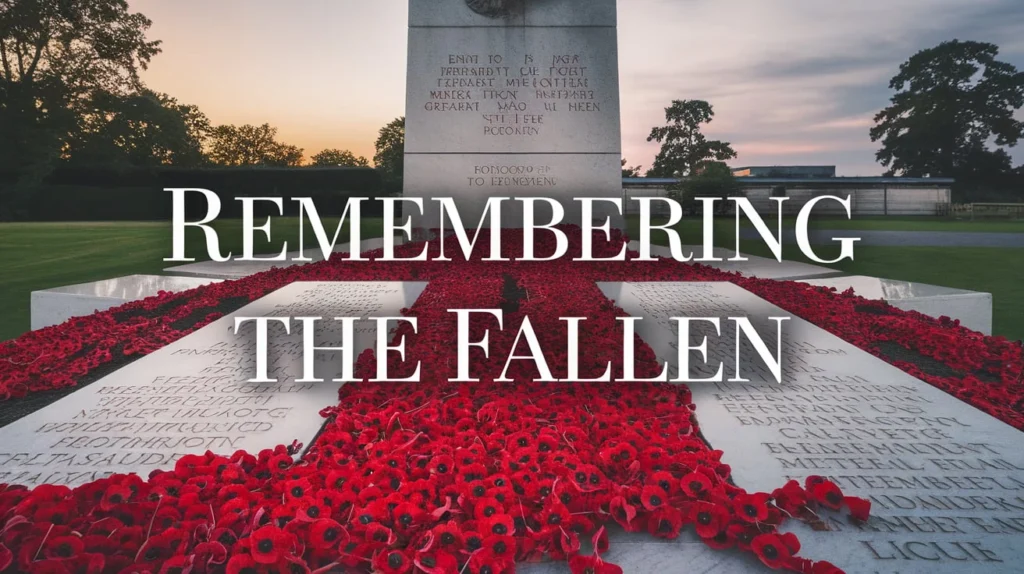
- Honoring the lives lost on D-Day with reverence. 🕯️
- Reflecting on the ultimate sacrifice made for peace. 🌹
- Celebrating the memory of brave soldiers and their stories. 📖
- Offering gratitude for freedom through their sacrifice. 🙏
- Sharing the legacy of heroes with younger generations. 👶
- Recognizing every fallen soldier’s bravery. 🪖
- Embracing remembrance as a duty and honor. 🌟
- Highlighting stories of courage and resilience. 💫
- Paying tribute through acts of reflection and respect. 🏛️
- Celebrating their spirit that lives on in our hearts. ❤️
- Acknowledging the pain and pride intertwined in history. 🕊️
- Understanding sacrifice as a path to freedom. ✌️
- Cherishing the lessons learned from loss. 📚
- Observing memorials to honor the fallen. 🏞️
- Keeping the memories alive through stories and commemoration. 📝
Paying Tribute to Veterans
- Celebrating the heroes who returned from battle. 🏅
- Appreciating the sacrifices of veterans in daily life. 🤝
- Reflecting on their courage and dedication. 🌟
- Embracing the stories of veterans with love. ❤️
- Honoring their service with gratitude and care. 🙏
- Recognizing the challenges they faced and overcame. 💪
- Valuing their contributions to peace and unity. 🌍
- Sharing memories and lessons from veterans. 📖
- Highlighting achievements beyond the battlefield. 🏆
- Understanding the emotional journey of returning soldiers. 🏡
- Celebrating resilience and commitment. ✨
- Offering support to veterans and their families. 🤍
- Commemorating milestones in their service. 🗓️
- Cherishing the friendships formed during service. 👬
- Acknowledging the enduring spirit of those who served. 💫
Historical Lessons from D-Day
- Learning the value of teamwork in achieving goals. 🫂
- Recognizing leadership under pressure. 🎖️
- Understanding strategy and planning in history. 🗺️
- Reflecting on courage as a key to overcoming adversity. 💪
- Appreciating sacrifices for collective success. 🕊️
- Embracing resilience as a lesson from veterans. 🌟
- Observing how determination shapes outcomes. 🏰
- Highlighting the power of unity and collaboration. 🌍
- Valuing history as a guide for future decisions. 📚
- Commemorating the emotional strength required during conflict. ❤️
- Acknowledging the human spirit in challenging times. ✨
- Learning from stories of sacrifice and triumph. 📝
- Understanding D-Day as a model of bravery and resolve. 🏅
- Celebrating lessons that strengthen peace and freedom. 🌿
- Reflecting on history to inspire present-day courage. 🌠
D-Day in Modern Memory
- Observing ceremonies that honor veterans. 🕯️
- Visiting memorials to keep history alive. 🏛️
- Sharing stories with younger generations. 👨👩👧
- Preserving letters and diaries from soldiers. 📜
- Watching documentaries to understand the past. 🎬
- Creating art inspired by D-Day experiences. 🎨
- Writing poems to commemorate bravery. ✍️
- Using social media to share remembrance. 📱
- Celebrating D-Day in schools with respect. 🏫
- Encouraging public discussions about history. 🗣️
- Highlighting local memorial events. 🏞️
- Supporting museums dedicated to D-Day history. 🏺
- Learning through guided historical tours. 🚶
- Honoring veterans at community events. 🤝
- Keeping memories alive through personal storytelling. ❤️
Inspirational Stories of D-Day
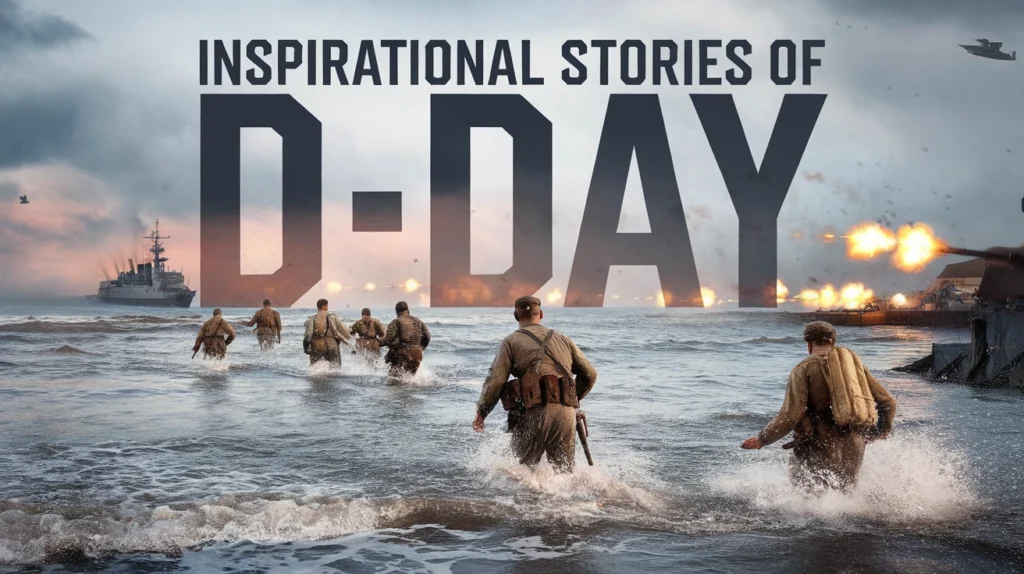
- Sharing acts of heroism that changed lives. 🌟
- Celebrating soldiers who saved comrades. 🏅
- Recognizing leaders who inspired hope. 💫
- Learning from ordinary soldiers’ extraordinary courage. 🪖
- Highlighting the sacrifices of nurses and medics. ❤️
- Appreciating the role of support staff in wartime. 🏥
- Commemorating families who endured separation. 🏡
- Reflecting on letters from the front lines. 📜
- Sharing oral histories from veterans. 🗣️
- Highlighting the bravery of young soldiers. 🌠
- Celebrating partnerships and alliances forged in war. 🌍
- Acknowledging civilian contributions during D-Day. 🏘️
- Remembering the endurance through harsh conditions. ❄️
- Valuing stories that inspire future generations. 📚
- Honoring heroes who never sought recognition. 💌
Community Remembrance Activities
- Organizing local remembrance ceremonies. 🏛️
- Participating in wreath-laying events. 🌹
- Attending memorial parades with pride. 🎖️
- Creating community art projects. 🎨
- Hosting storytelling sessions with veterans. 🪖
- Visiting historical sites as a group. 🏖️
- Educating children about D-Day history. 🏫
- Sharing reflections through blogs and social media. 📱
- Encouraging volunteer work in veterans’ organizations. 🤝
- Supporting local museums and exhibitions. 🏺
- Commemorating through music and performance. 🎵
- Engaging in peaceful marches to honor sacrifice. ✌️
- Publishing community newsletters about D-Day. 📰
- Holding candlelight vigils in memory of the fallen. 🕯️
- Creating memorial gardens for reflection. 🌿
D-Day in International Perspective
- Recognizing the global effort behind D-Day. 🌐
- Celebrating allied forces from multiple nations. 🇬🇧
- Appreciating cooperation that led to victory. 🤝
- Learning from international military strategies. 🗺️
- Honoring foreign veterans who fought bravely. 🪖
- Sharing stories of cross-national heroism. 💫
- Reflecting on shared sacrifices for freedom. 🕊️
- Recognizing contributions of local populations. 🏘️
- Supporting international memorial events. 🌍
- Understanding the historical context in world politics. 📜
- Celebrating the unity of nations in adversity. 🌟
- Learning peace lessons from D-Day collaboration. ✌️
- Encouraging global education about WWII history. 📚
- Highlighting cultural remembrances across countries. 🎨
- Fostering friendships through shared historical respect. 🤍
Emotional Reflections on D-Day
- Feeling gratitude for freedom and peace. ❤️
- Reflecting on the hardships endured by soldiers. 😔
- Embracing the courage of loved ones far from home. 🏡
- Cherishing stories of hope and endurance. 💫
- Understanding loss as a part of history. 🕊️
- Finding inspiration in acts of bravery. 🌟
- Valuing human resilience in adversity. 💪
- Honoring the emotional strength of veterans. 🏅
- Sharing feelings through art, writing, and music. 🎨
- Commemorating courage with heartfelt reflection. ❤️
- Appreciating the support of families behind soldiers. 🤝
- Recognizing emotional sacrifices made by communities. 🏘️
- Celebrating courage in everyday life. ✨
- Learning empathy from historical accounts. 🌿
- Keeping memories alive through emotional storytelling. 📝
Personal Ways to Commemorate

- Visiting a local memorial or museum. 🏛️
- Lighting a candle in honor of the fallen. 🕯️
- Reading letters or memoirs from veterans. 📖
- Sharing stories with family and friends. 👨👩👧
- Watching historical documentaries about D-Day. 🎬
- Planting a tree in remembrance. 🌳
- Creating personal art or poetry for reflection. 🎨
- Participating in community remembrance events. 🤝
- Writing a letter to a veteran to express gratitude. 💌
- Observing a moment of silence on D-Day. ⏳
- Wearing symbolic items for awareness. 🎗️
- Sharing reflections on social media to educate others. 📱
- Recording oral histories from family members. 🗣️
- Donating to veterans’ charities. 💝
- Keeping a personal journal to reflect on history. 📓
Closing Paragraph
The D-Day Anniversary reminds us that courage, friendship, and sacrifice are timeless virtues. By reflecting on history, honoring the fallen, and celebrating veterans, we strengthen our understanding of freedom and unity.
This day is a gentle reminder to cherish the bonds we share, express gratitude, and carry forward the lessons of bravery and resilience. Every act of remembrance, no matter how small, contributes to a legacy of hope, care, and love that transcends generations. Let us continue to honor this extraordinary chapter in history with heartfelt respect and enduring gratitude.
FAQs
1. What is the significance of D-Day Anniversary?
The D-Day Anniversary commemorates the Normandy landings of June 6, 1944, honoring the bravery and sacrifice of soldiers who fought for freedom.
2. How can I observe D-Day Anniversary at home?
You can observe it by lighting a candle, sharing stories, watching documentaries, or writing a reflection to honor the fallen.
3. Who were the main participants in D-Day?
Allied forces from the United States, United Kingdom, Canada, and other nations participated, supported by local resistance groups.
4. Why is remembering D-Day important today?
Remembering D-Day preserves history, teaches lessons of courage, and inspires future generations to value peace and unity.
5. What activities are commonly held on D-Day Anniversary?
Ceremonies, memorial services, parades, community events, and educational programs are held worldwide to honor veterans and fallen soldiers.
6. Can children participate in D-Day remembrance?
Yes, children can participate through storytelling, educational activities, visiting memorials, and learning about history in schools.
7. How does D-Day impact modern society?
D-Day shaped the outcome of WWII, established international alliances, and remains a symbol of courage, teamwork, and the pursuit of freedom.
8. Are there any symbols associated with D-Day?
Common symbols include poppies, memorials, medals, and historical sites like Normandy beaches, representing sacrifice and remembrance.
9. How can communities honor veterans effectively?
Communities can organize ceremonies, support veterans’ charities, create memorial projects, and educate the public about their stories.
10. What lessons can we learn from D-Day for today?
D-Day teaches resilience, teamwork, courage under pressure, and the importance of standing up for freedom and unity.